Speaking for the brand Paradox Museum
Two years representing an immersive museum on the floor and to the press: from national media to VIP experiences, events and experience-led retail.
I've spent two years at Barcelona's Paradox Museum, where communicating an experience is the whole job — including speaking for the museum in a national news feature on the rise of immersive culture.
Context
The Paradox Museum is an immersive museum built on optical illusions and mind-bending rooms: an experience designed to be seen, felt and photographed. Its product isn't an object but a feeling, and a memory visitors take home. Working there means communicating that experience constantly: guiding visitors through it, hosting events inside it, and representing it beyond its walls.
What I did
My role runs across the whole visitor experience. I host events, from private parties to corporate team-building, taking groups through the museum, setting up the rooms, and running everything down to the catering. I help family-focused influencers film content on site, drawing on my newsroom camera experience. I had the opportunity to represent the museum publicly: when the Catalan News Agency covered the rise of immersive experiences in Barcelona, I was the voice they quoted, arguing that being "Instagrammable" is a strength, not a shallow label. Different tasks, one through-line, carrying the museum's experience to whoever's in front of me, from a visitor to a reporter.
The angle
The most revealing part is the retail. The museum's VIP packages let guests personalise their merchandise — choosing colours and models rather than receiving a random bag — and I lean into that: luxury, even in an unlikely setting, is the feeling of choosing. I also redesigned how one product was sold, borrowing a tactic from Hamleys: instead of leaving it on a display, staff carry it, demonstrate it, and upsell from the small version to the large. It's brand thinking applied to a shop floor.
Takeaways
Two years here taught me how to represent a brand in person, how to run an event from setup to catering, and how to sell an experience rather than a product. It's the most sustained proof I have that I can carry a brand's voice — and make people want what it's offering.
Experience retail
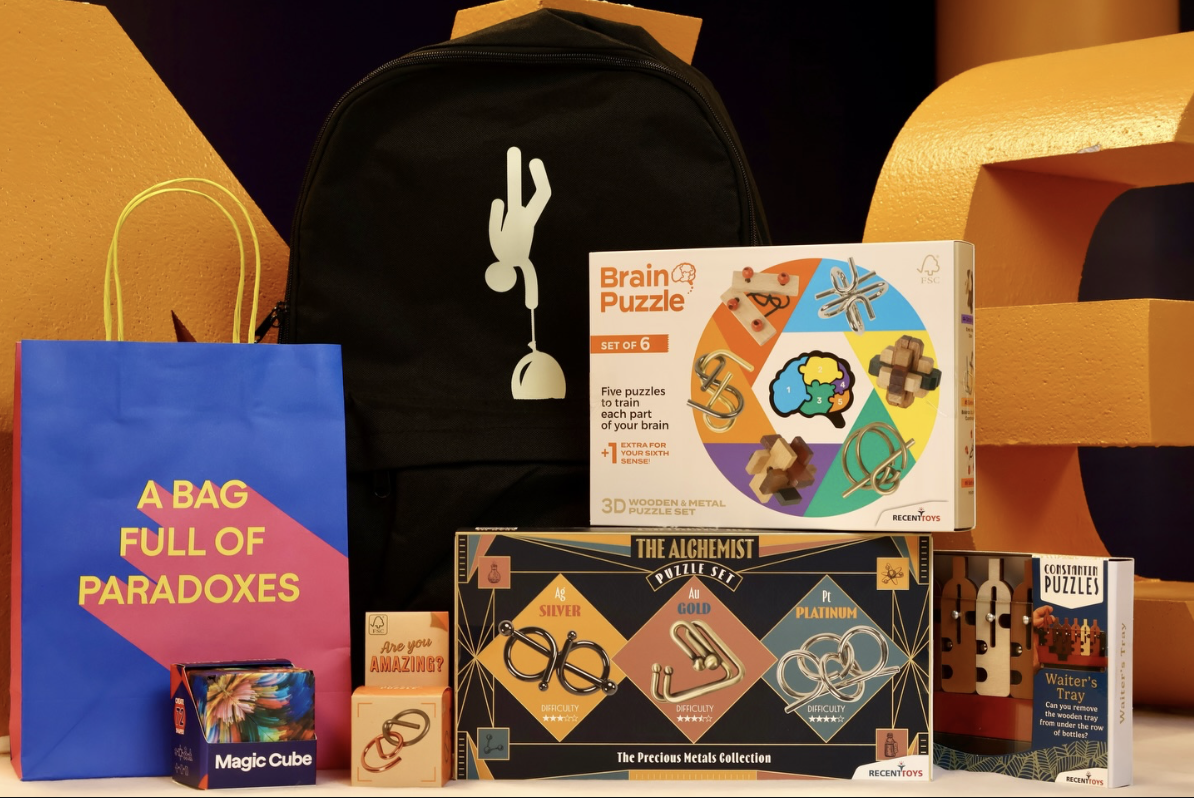
The boutique is part of the experience, not an afterthought. All products have samples available for customers to play and test them before taking them home. The VIP tickets include a merchandise pack, with a selection of our best-sellers. Inspired by one of the pillars of the luxury industry, I let guests personalize some aspects of their package to give them the premium feeling of choosing.
A small retail win: the Rainbow Twirler
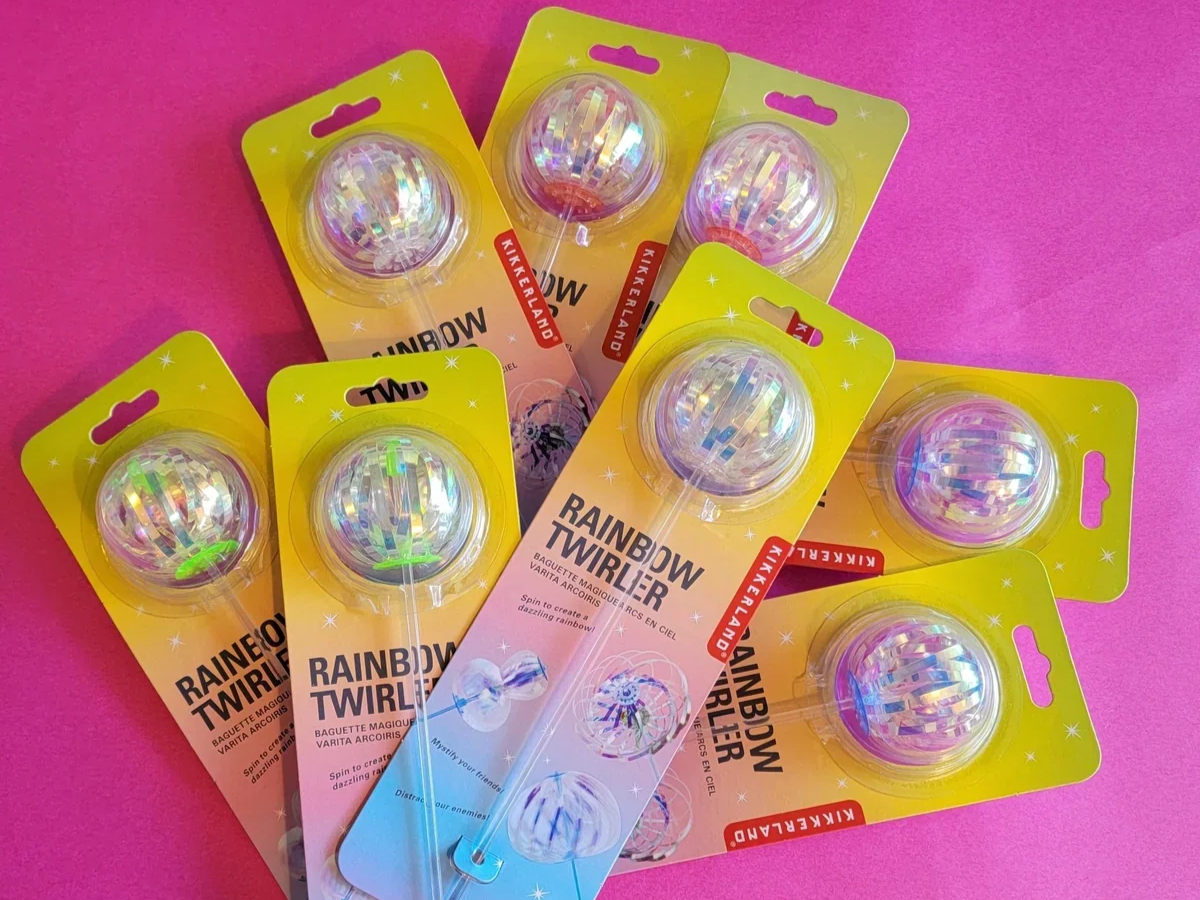
From a delicate display to the boutique’s main attraction, our Kikkerland Rainbow twirlers became our best sellers after thinking outside the box. As the tester’s strings kept on getting tangled by enthusiastic kids, I took Hamley’s famous strategy: get the staff carry the twirlers so visitors could get curious.
We'd then let them try one, explain the two sizes and prices, and, when someone bought the small version, offer an upgrade to the large one for a little more. Each sale came with a quick tutorial on how to handle the twirler so it wouldn't tangle. A recurring annoyance became a deliberate, repeatable way to sell.
Influencer support
The museum regularly hosts influencers who cover family plans in Barcelona, and I help them get what they need — often filming boutique and exhibit shots for their content. My newsroom experience with a camera turns out to be directly useful here: I know how to frame a shot and what makes good footage, so I can help creators leave with material that actually works.
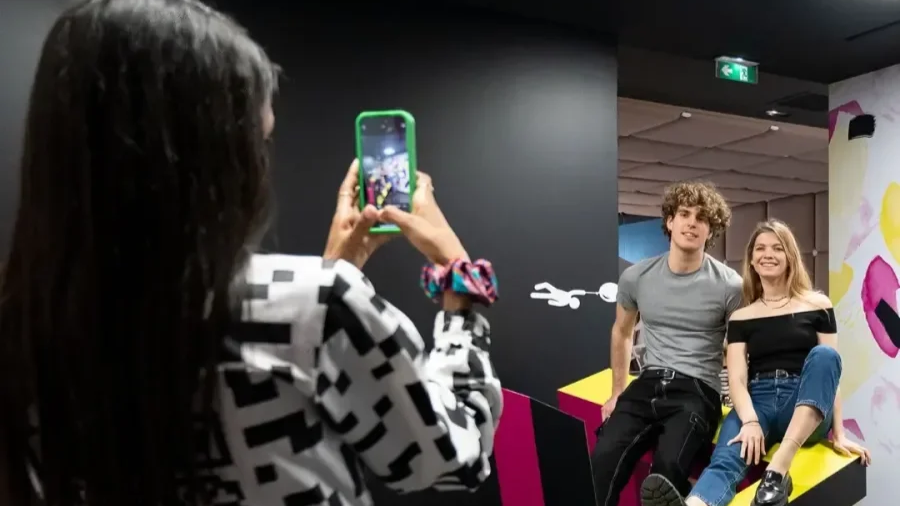
Events
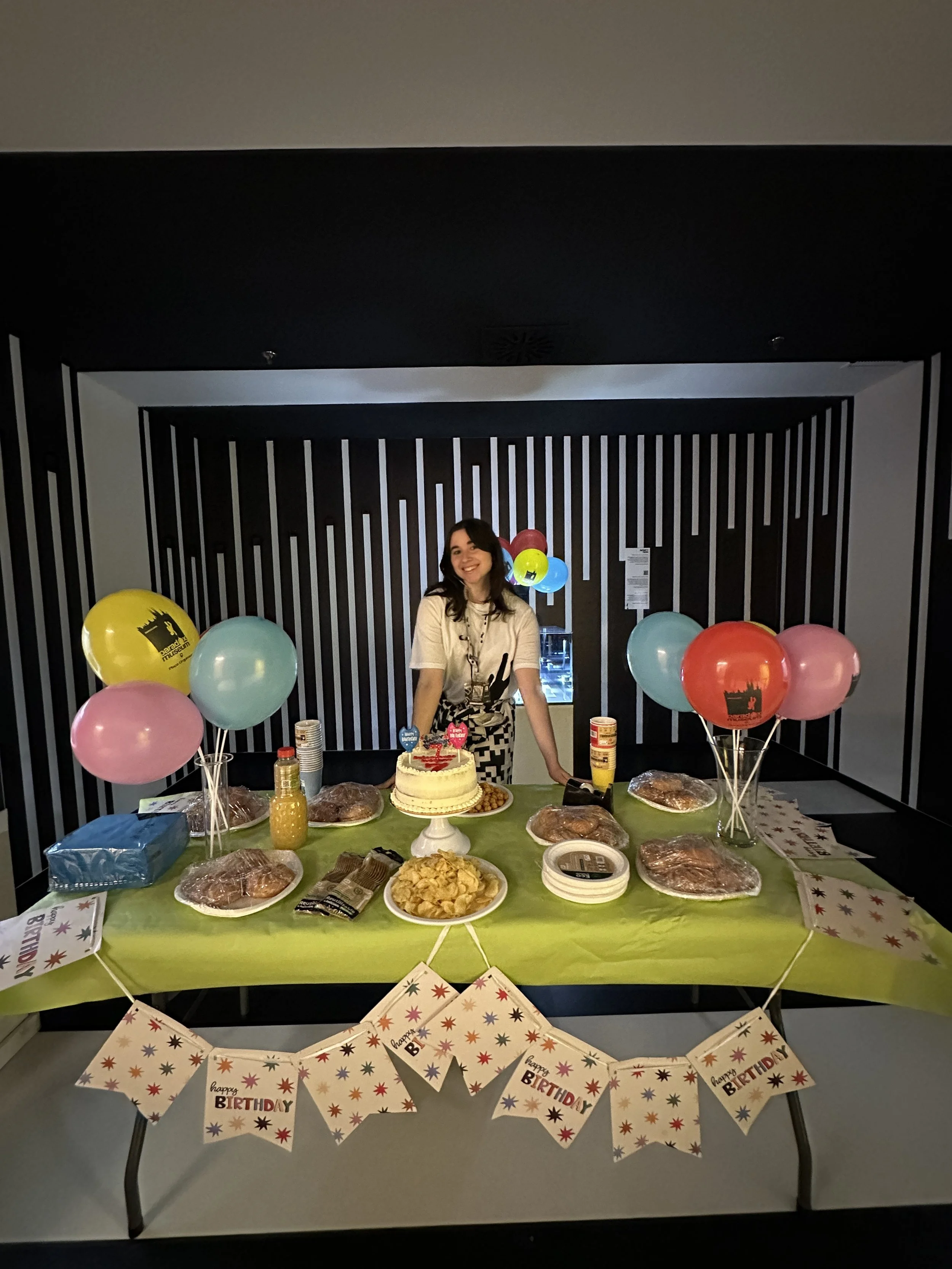
I host and run events across the museum. In my earlier months I managed children's birthday parties for ages 5 to 12 — guiding them through the exhibits, explaining each illusion, and setting up the party room from decorations to catering. I've since moved on to corporate team-building for small groups of up to fifteen, where teams compete to solve puzzles tied to the exhibitions before a catered reception. Running an event from the welcome to the last plate is a logistics job as much as a hosting one.